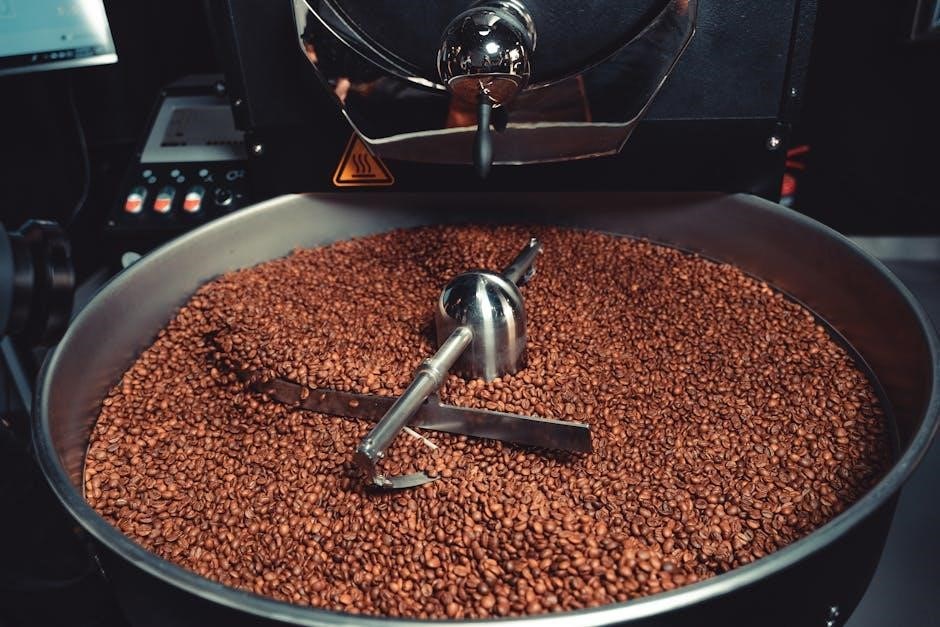
The debate between automatic and manual coffee machines centers on convenience versus control, impacting brewing experiences and costs for home enthusiasts. Recent market analysis (12/16/2025) highlights a growing interest in both, driven by the increasing popularity of home brewing.
Fully automatic machines, like those from Breville and Ninja, are gaining traction, while manual methods, such as pour-over and lever espresso, appeal to those seeking a more artisanal approach.
Current Market Overview (as of 12/16/2025)
As of today, December 16th, 2025, the coffee machine market demonstrates robust growth, particularly within the automatic segment. Reports from Custom Market Insights indicate a significant rise in demand for drip and super-automatic espresso machines, fueled by consumer desire for convenience.
However, manual machines – including lever espresso and pour-over systems – maintain a dedicated following. Breville and KitchenAid continue to dominate, offering both automatic and manual options. Ninja’s innovative automatic models are also gaining market share. The overall trend shows a bifurcated market, catering to both speed-focused and flavor-focused coffee drinkers, with a noticeable increase in bean-to-cup machine sales.
The Growing Popularity of Home Coffee Brewing
The surge in home coffee brewing is reshaping the market, driven by factors like cost savings and a desire for higher quality coffee experiences. Consumers, as highlighted by Daily Mail reports, are increasingly investing in home setups, moving beyond basic drip machines.
This trend fuels demand for both automatic and manual options. Automatic machines offer ease and consistency, appealing to busy lifestyles. Simultaneously, manual methods attract those seeking greater control and a more involved brewing ritual. The rise in popularity is also linked to a broader interest in specialty coffee and personalized beverage creation.
Manual Coffee Machines: A Deep Dive
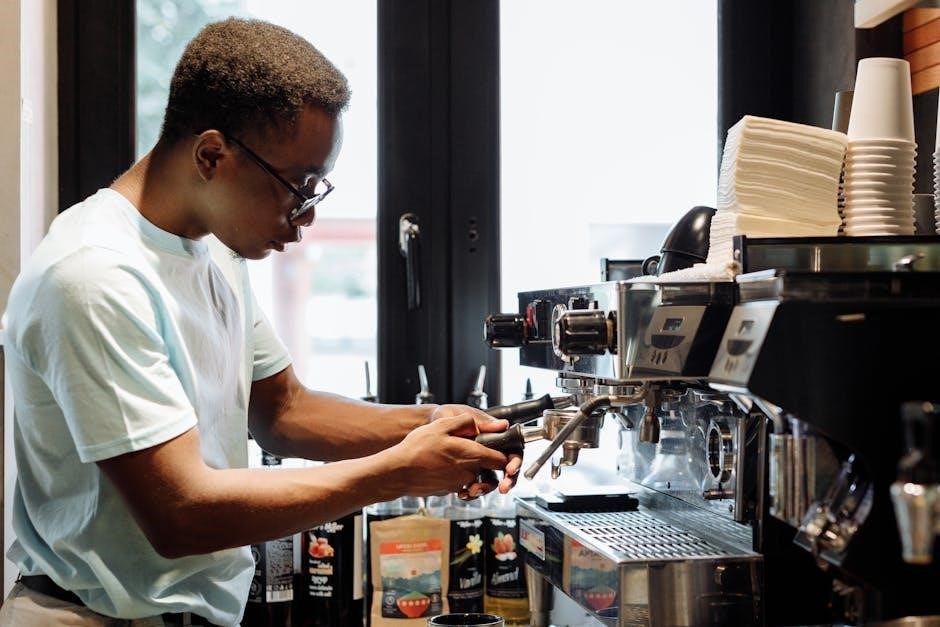
Manual machines prioritize user skill and control, offering a range of brewing methods from lever espresso to French presses, demanding technique for optimal results.
Types of Manual Coffee Machines
Manual coffee machines encompass a diverse range, each offering a unique brewing experience. Lever espresso machines, requiring significant physical effort, provide ultimate control over pressure and extraction, favored by purists. Pour-over coffee makers, like Hario V60s, demand precision in water pouring for nuanced flavors.
French press coffee makers, known for their full-bodied brews, involve steeping grounds directly in hot water, then pressing to separate. Compared to automatic counterparts, these lack automated features, relying entirely on the user’s technique. These methods emphasize the art of coffee making, offering a tactile and rewarding process;
Lever Espresso Machines
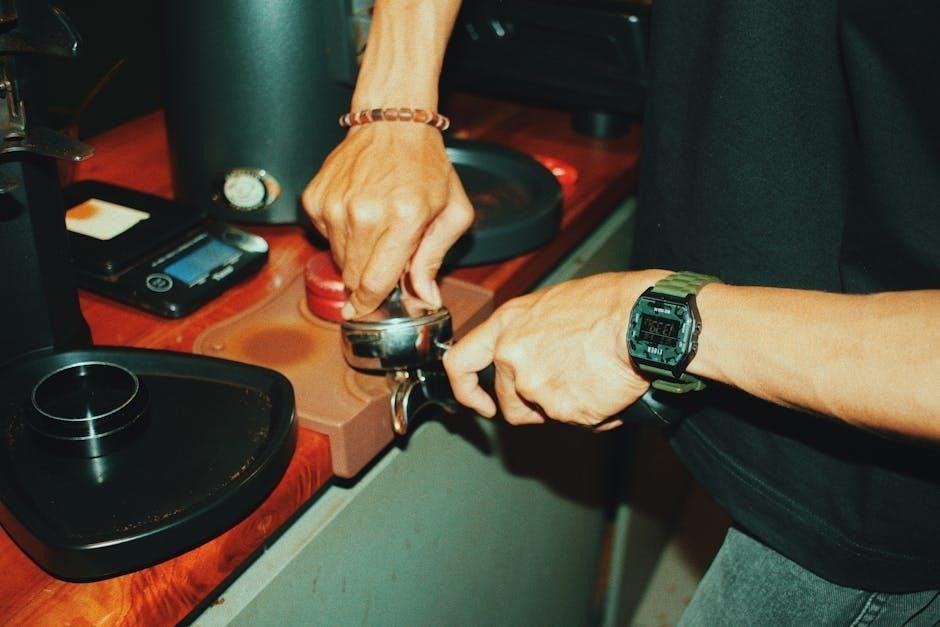
Lever espresso machines represent the pinnacle of manual espresso brewing, demanding skill and physical exertion. Unlike automatic machines, they lack pumps, relying solely on the barista’s downward force on a lever to generate pressure and extract espresso. This direct control allows for precise manipulation of the brewing process, influencing flavor and crema.
Compared to other manual methods, levers offer the most nuanced control, but require significant practice. They are often favored by coffee enthusiasts seeking a truly artisanal experience, and are less characteristic than automated options.
Pour-Over Coffee Makers
Pour-over coffee makers embody simplicity and control, offering a manual brewing experience focused on technique. This method involves slowly pouring hot water over coffee grounds in a filter, allowing gravity to extract the flavors. The barista dictates the bloom, flow rate, and saturation, directly impacting the final cup’s characteristics.
Pour-over requires attention and practice, but delivers a clean, nuanced brew. It’s a popular choice for those appreciating the ritual of coffee making and seeking a departure from the convenience of automatic machines, offering a more artisanal approach.
French Press Coffee Makers
French press coffee makers represent a full-immersion brewing method, celebrated for their simplicity and rich, full-bodied results. Coarsely ground coffee steeps directly in hot water for several minutes, then a mesh filter is pressed down to separate grounds from the brewed coffee.
This manual process allows for greater control over steeping time and coffee-to-water ratio, influencing the final flavor profile. French press brewing often yields a heavier body and more sediment compared to filtered methods, appealing to those who enjoy a robust, textured cup. It’s a classic, accessible manual option.
The Art of Manual Brewing: Skill and Control
Manual brewing methods empower the user with significant control over every aspect of the coffee-making process. Unlike automatic machines, variables like grind size, water temperature, pour rate, and steeping time are all dictated by the brewer’s skill and preference.
This hands-on approach allows for experimentation and customization, enabling coffee enthusiasts to fine-tune their brew to achieve optimal flavor extraction. Mastering manual techniques, like pour-over or lever espresso, requires practice and understanding of brewing principles, but rewards the user with a truly personalized coffee experience.
Maintenance and Cleaning of Manual Machines
Generally, manual coffee machines require more frequent, hands-on cleaning compared to their automatic counterparts. While lacking complex internal components, they demand regular disassembly and cleaning of parts like portafilters, brew baskets, and carafes to prevent buildup of coffee oils and residue.
Compared to lever machines, some manual methods are simpler to maintain. However, consistent cleaning is crucial for optimal performance and flavor. Proper care extends the lifespan of these machines and ensures consistently delicious coffee, though it necessitates a greater time commitment from the user.
Automatic Coffee Machines: Convenience and Consistency
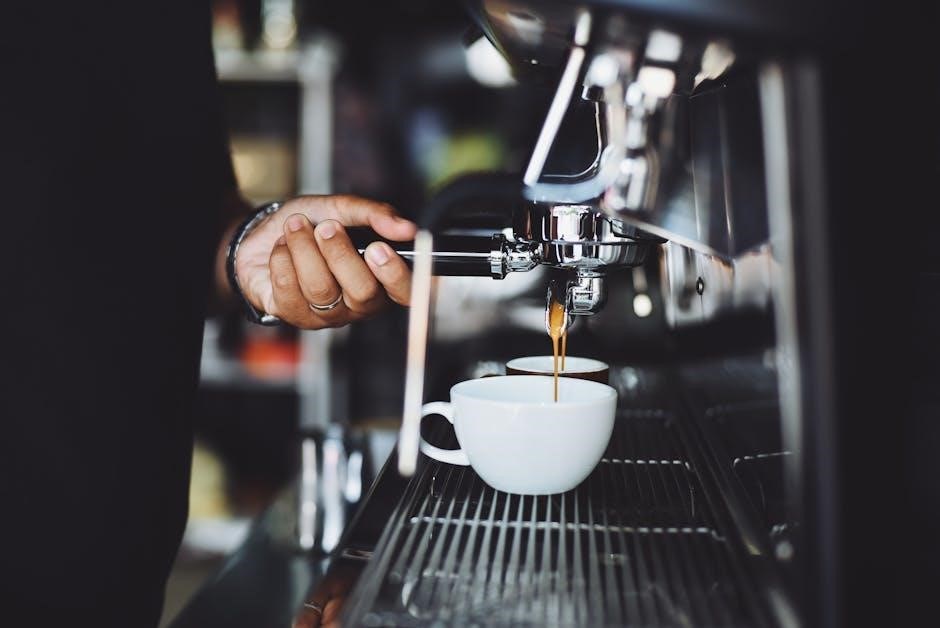
Automatic machines, including drip and super-automatic models, prioritize ease of use and repeatable results, offering programmable settings and built-in features for consistent brewing.
Types of Automatic Coffee Machines
Automatic coffee machines cater to diverse preferences, broadly categorized into three main types. First, drip coffee machines are the most common, offering simple operation and brewing larger batches. Next, bean-to-cup machines grind beans just before brewing, enhancing flavor and freshness.
Finally, super-automatic espresso machines represent the pinnacle of convenience, handling grinding, tamping, brewing, and even milk frothing with minimal user intervention. Market reports (12/16/2025) indicate increasing demand for these advanced models, particularly those from brands like Ninja, known for innovative features.
Drip Coffee Machines
Drip coffee machines are the workhorses of automatic brewing, prized for their simplicity and affordability. These machines heat water and slowly drip it over ground coffee, filtering into a carafe below. They are ideal for brewing larger quantities, making them suitable for families or offices.
While offering less customization than other methods, modern drip machines often include programmable timers and adjustable brew strengths. They represent a convenient entry point into automatic coffee making, offering a consistent, hassle-free experience, as highlighted in recent consumer reports (12/16/2025).
Bean-to-Cup Machines
Bean-to-cup machines elevate the automatic coffee experience by grinding whole beans just before brewing, maximizing flavor and aroma. These all-in-one systems handle everything from grinding to tamping and brewing, offering unparalleled convenience. They often feature adjustable grind settings, water temperature, and brew strength, allowing for some customization.
Brands like Breville are renowned for user-friendly bean-to-cup models. While representing a higher initial investment, they deliver café-quality coffee at home with minimal effort, appealing to those who value both convenience and quality (as noted in market trends, 12/16/2025).
Super-Automatic Espresso Machines

Super-automatic espresso machines represent the pinnacle of convenience in the automatic coffee world, automating the entire espresso-making process. Beyond grinding and brewing, they often include features like automatic milk frothing for cappuccinos and lattes, and self-cleaning cycles. These machines aim to replicate the barista experience with a single touch.
While the most expensive automatic option, super-automatic machines, such as the Ninja Luxe Café Premier, offer consistent results and minimal user intervention. Market reports (Nov. 25, 2024) indicate growing demand for these advanced systems, despite the higher price point.
Features of Automatic Coffee Machines
Automatic coffee machines distinguish themselves through a range of features designed for ease of use and consistent results. Programmable settings allow users to customize brew strength, temperature, and volume, tailoring each cup to their preference. Many models, particularly bean-to-cup and super-automatic varieties, boast built-in grinders, ensuring fresh grounds for every brew.
These machines often include features like automatic shut-off, timers, and warming plates. Breville machines are consistently praised for their user-friendly interfaces and simple maintenance, enhancing the overall convenience factor for daily coffee consumption;
Programmable Settings
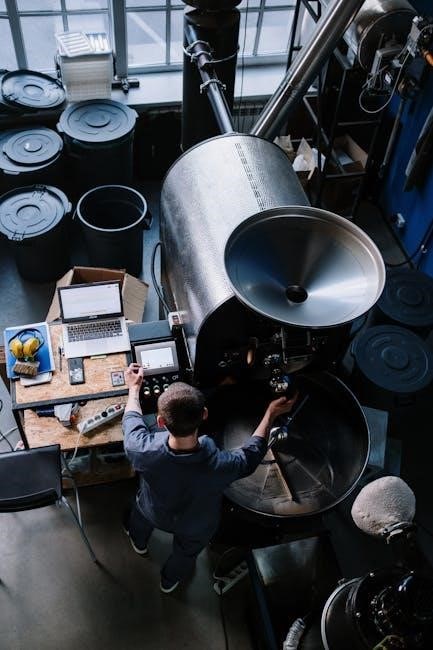
Programmable settings are a cornerstone of automatic coffee machine convenience, offering users substantial control over their brewing process. These features extend beyond simple on/off timers, encompassing adjustments to brew strength, water temperature, and even coffee volume. Users can pre-set their ideal cup size and intensity, ensuring a consistent experience with minimal effort.
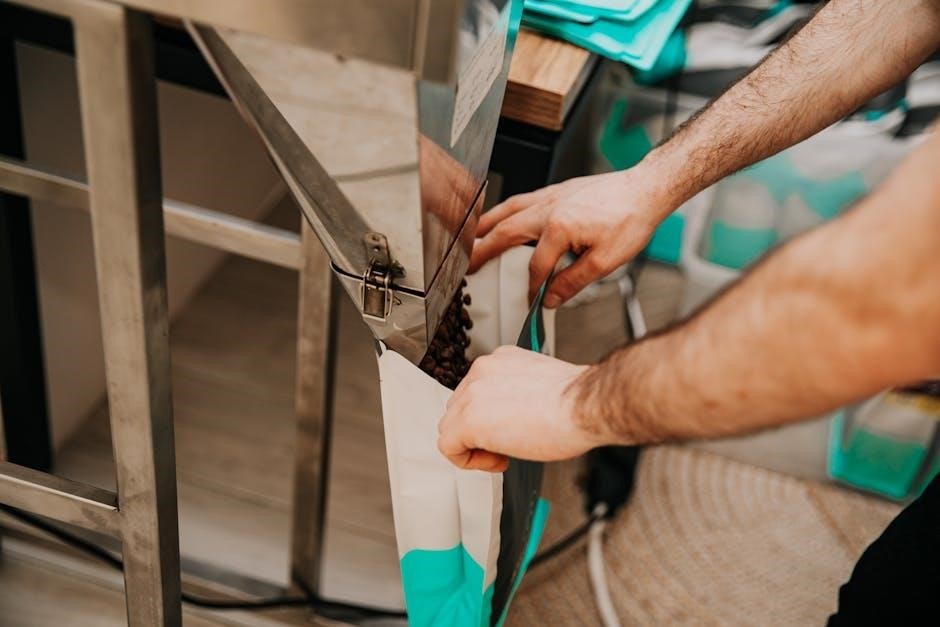
Advanced models allow for customized profiles, catering to multiple users with differing preferences. This level of personalization, particularly evident in Breville machines, elevates the automatic brewing experience, delivering a tailored cup every time.
Built-in Grinders
Integrated grinders represent a significant advantage in bean-to-cup and super-automatic coffee machines, maximizing freshness and flavor. Grinding beans immediately before brewing preserves volatile aromatic compounds lost during pre-ground storage. These machines often feature adjustable grind settings, allowing users to fine-tune extraction based on bean type and desired taste.
The convenience of a built-in grinder eliminates the need for a separate appliance, streamlining the coffee-making process. Market reports (12/16/2025) indicate increasing demand for these all-in-one solutions, particularly from consumers prioritizing quality and ease of use.
Ease of Use and Convenience
Automatic coffee machines excel in simplicity, offering pre-programmed settings and automated processes for effortless brewing. Features like programmable timers and one-touch operation cater to busy lifestyles, delivering consistent results with minimal user intervention. Brands like Breville emphasize user-friendliness in their designs, appealing to a broad audience.
Conversely, manual machines demand more active participation, requiring skill and precision. While this offers greater control, it also increases the time and effort involved. Daily Mail articles highlight the appeal of quick, convenient options for daily coffee consumption.
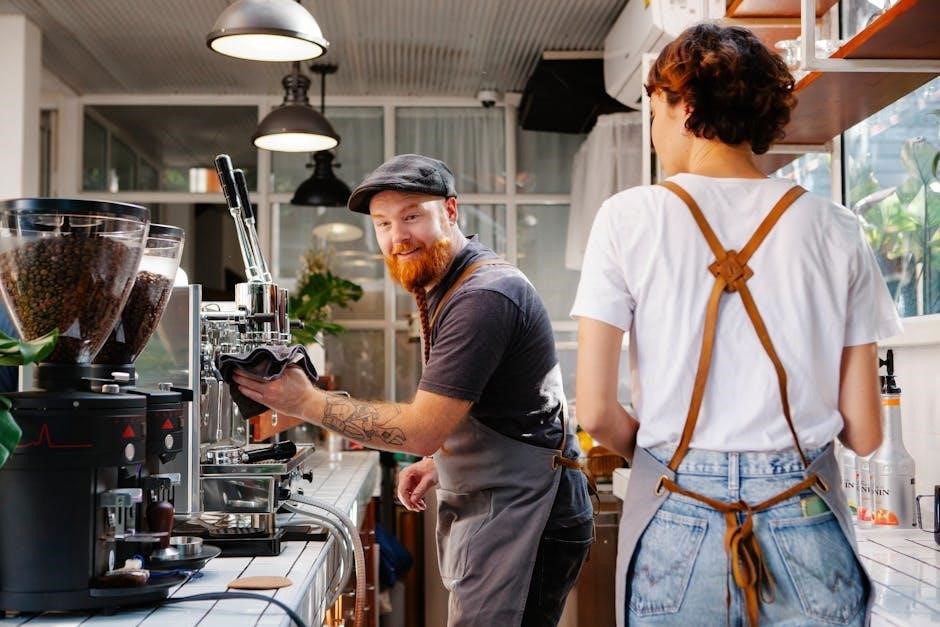
Comparing Key Features: Manual vs. Automatic
Manual machines prioritize brewing control and customization, while automatic models focus on convenience, speed, and consistent results, impacting cost and maintenance demands.
Brewing Control and Customization
Manual coffee machines offer unparalleled control over brewing parameters. Enthusiasts can meticulously adjust grind size, water temperature, pressure (in lever machines), and pour-over technique to fine-tune extraction. This level of involvement allows for experimentation and achieving a truly personalized cup, catering to specific bean characteristics and taste preferences.
Conversely, automatic machines, while offering some programmable settings, generally limit user intervention. Though bean-to-cup and super-automatic models provide options for strength and volume, they lack the granular control of manual methods. Some argue this results in a less nuanced, albeit consistent, brewing experience.
Compared to lever machines, automatic options lack characteristic components.
Cost Analysis: Initial Investment and Long-Term Expenses
Manual coffee machines typically present a lower initial investment. Basic pour-over setups or French presses are quite affordable, while even lever machines can be found at reasonable prices. However, ongoing costs for filters and potentially a separate grinder should be considered. Automatic machines, particularly super-automatic espresso machines, command a significantly higher upfront price – the Ninja Luxe Café Premier, for example, costs $699.
Long-term, automatic machines may incur expenses for descaling solutions and occasional repairs. Manual machines generally require fewer specialized supplies, but replacement parts (like French press glass carafes) may be needed.
Cleaning and Maintenance Requirements
Automatic coffee machines generally demand less frequent, but more specialized, cleaning. Descaling is crucial to remove mineral buildup, and many models have automated cleaning cycles. Manual machines, while lacking these cycles, require more hands-on attention after each use. French presses and pour-overs need thorough rinsing, and lever machines demand backflushing.
Breville machines are noted for relatively simple maintenance. However, all machines benefit from regular cleaning to ensure optimal performance and longevity. Neglecting maintenance can impact coffee quality and potentially lead to costly repairs.
Speed and Efficiency of Brewing
Automatic coffee machines excel in speed and efficiency, particularly super-automatic models that grind, brew, and often froth milk with minimal user intervention. Drip machines also offer quick, hands-off brewing for larger quantities. Manual methods, conversely, are inherently slower, demanding active participation throughout the process.
Pour-over and French press require focused attention, while lever machines necessitate physical effort. While slower, manual brewing allows for greater control, potentially offsetting the time difference for dedicated coffee enthusiasts seeking a perfect cup.
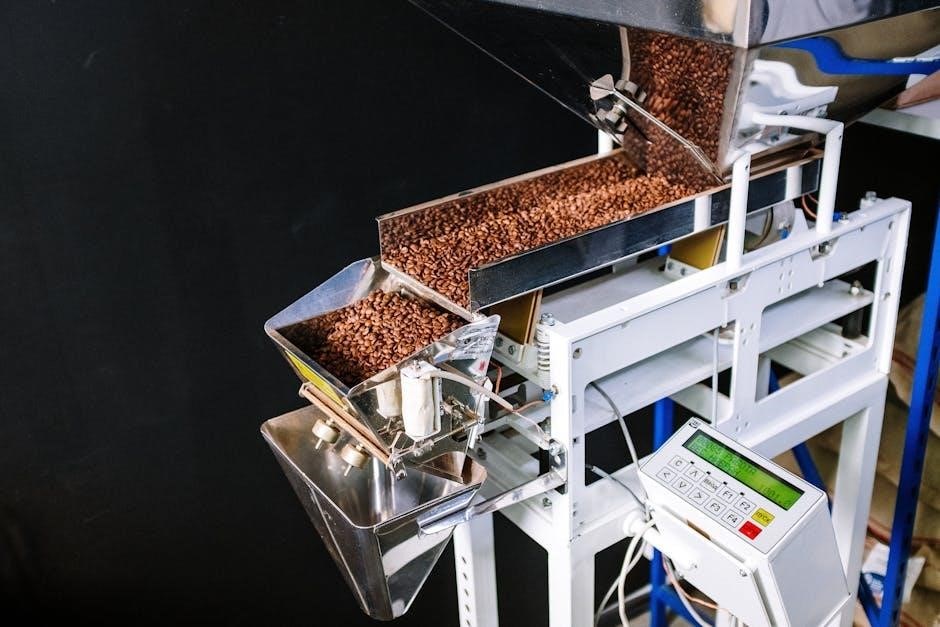
Top Brands in the Coffee Machine Market
Breville, KitchenAid, and Ninja consistently rank highly, offering diverse options from user-friendly automatic machines to innovative espresso systems, catering to varied preferences and budgets.
Breville: Known for User-Friendliness
Breville has established itself as a leading brand, particularly praised for its intuitive and easy-to-use coffee machines. Shoppers consistently highlight the simplicity of operation and straightforward maintenance, making them ideal for both beginners and experienced coffee lovers.
Their range encompasses both automatic and manual options, often incorporating features designed to streamline the brewing process. Breville’s commitment to accessibility doesn’t compromise quality; their machines consistently deliver excellent results, earning them a strong reputation within the coffee community. This balance of convenience and performance makes Breville a popular choice.
KitchenAid: Durability and Style
KitchenAid is renowned for crafting appliances built to last, and their coffee machines are no exception, embodying both durability and a distinctive aesthetic. Best known for their iconic stand mixers, KitchenAid extends this commitment to quality to their coffee offerings, creating appliances designed for longevity and visual appeal.
These machines are often seen as statement pieces, available in a range of colors to complement any kitchen décor. While potentially representing a higher initial investment, KitchenAid’s robust construction promises years of reliable performance, appealing to those prioritizing lasting value.
Ninja: Innovative Features and Value
Ninja has quickly become a prominent player in the coffee machine market, celebrated for its innovative features and impressive value proposition. The Ninja Luxe Café Premier Espresso Machine, priced at $699, exemplifies this approach, offering a sleek design alongside a comprehensive suite of functionalities.
Daily Mail journalists highlight Ninja machines as a great choice for those seeking a quick and convenient coffee experience. They consistently deliver advanced capabilities without the premium price tag associated with some competitors, making them an attractive option for budget-conscious consumers.
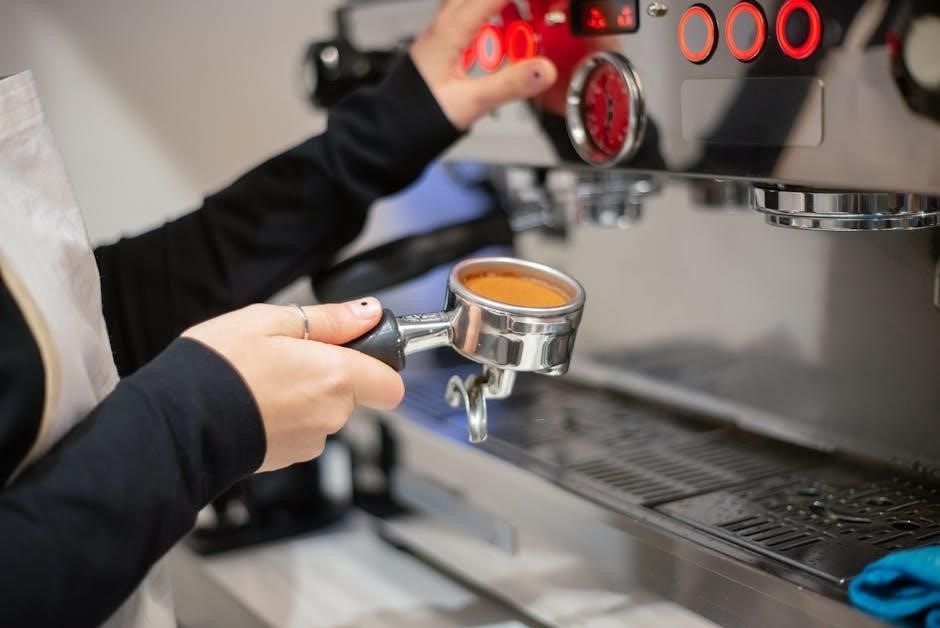
Choosing the Right Machine for Your Needs
Selecting the ideal coffee machine requires careful consideration of personal preferences, budget limitations, and available kitchen space, impacting daily beverage enjoyment.
Aligning your choice with coffee tastes and lifestyle factors ensures a satisfying brewing experience, whether manual or automatic.
Considering Your Coffee Preferences
Your preferred coffee style is paramount when choosing between manual and automatic machines. If you enjoy experimenting with brewing parameters and appreciate the nuanced flavors achieved through precise control, a manual machine – like a lever espresso or pour-over – might be ideal.
These methods demand skill and attention, rewarding dedicated coffee lovers with customized results. Conversely, if convenience and consistency are priorities, an automatic machine, such as a bean-to-cup or super-automatic model, offers pre-programmed settings and effortless operation. These are perfect for those seeking a quick, reliable cup without the learning curve.
Ultimately, matching the machine to your taste profile ensures optimal enjoyment.
Budget and Lifestyle Factors
Financial considerations and daily routines significantly influence the choice between manual and automatic coffee machines. Manual machines generally have a lower initial investment, but require more time and effort. This suits individuals who enjoy the brewing process and have the time to dedicate to it.
Automatic machines, particularly super-automatic models, come with a higher price tag but offer unparalleled convenience for busy lifestyles. Long-term expenses should also be factored in, including filter replacements and potential maintenance costs.
Consider your budget, time constraints, and desired level of involvement to make an informed decision.
Space Constraints and Kitchen Setup
Available counter space and kitchen layout are crucial factors when selecting a coffee machine. Manual machines, like French presses or pour-over setups, are typically compact and require minimal space, making them ideal for smaller kitchens or limited areas.
Automatic machines, especially bean-to-cup and super-automatic models, tend to be larger and bulkier, demanding more counter real estate. Consider the machine’s dimensions and ensure sufficient clearance for operation and maintenance.
Assess your kitchen’s configuration and available space to determine which type of machine best fits your needs and aesthetic preferences.