
Understanding the O Positive Blood Type Diet
The O Positive Blood Type Diet suggests specific foods interact uniquely with your blood type. This personalized approach aims to optimize digestion, boost energy, and enhance overall well-being by aligning your diet with your genetic makeup for better health outcomes.
Dr. Peter D’Adamo’s “Eat Right 4 Your Type”

Dr. Peter D’Adamo’s groundbreaking book, “Eat Right 4 Your Type,” introduces a revolutionary concept linking an individual’s blood type to their optimal dietary and lifestyle choices; This influential work posits that each blood type possesses unique genetic markers that dictate how the body processes various foods, impacting everything from metabolism to immune function. For O positive individuals, Dr. D’Adamo’s theory suggests a diet rich in high-protein foods, aligning with the ancestral “hunter” archetype. This approach emphasizes consuming plenty of lean, chemical-free meats, fish, fresh vegetables, and fruits. The success of the Type O diet, as outlined by Dr. D’Adamo, relies on these specific food choices to promote balance and reset genetic expression. His comprehensive food lists, updated in the revised 20th Anniversary edition, categorize items as highly beneficial, neutral, or those to avoid, which are believed to act like “poisons” to the system. By following these personalized guidelines, adherents aim to improve digestion, boost energy, manage weight effectively, and enhance overall health, moving away from a generic dietary approach towards one tailored to their unique blood type.
Core Dietary Principles for O Positive Individuals
O positive individuals thrive on a high-protein diet, emphasizing lean meats, fish, and abundant vegetables. Limiting grains, beans, and legumes is crucial, reflecting an ancestral hunter-gatherer eating pattern for optimal health.
Beneficial Meats and Poultry for Type O
For individuals with O Positive blood type, the diet emphasizes high-protein sources, particularly lean meats and specific poultry, as these are considered highly beneficial for their digestive and metabolic systems. Dr. Peter D’Adamo, in his “Eat Right 4 Your Type” philosophy, identifies several meats that act like medicine for Type O individuals, helping to optimize their health and energy levels.
Highly beneficial meats include beef, which serves as a foundational protein source, and its less common but equally beneficial counterpart, buffalo. Organ meats such as heart and liver are also strongly recommended, providing essential nutrients that align well with the Type O genetic blueprint. Lamb and mutton are excellent choices, offering robust protein and supporting a healthy metabolism. Furthermore, veal and venison are considered highly favorable, contributing to the strong, focused, and driven nature often associated with Type O individuals.
These selections are believed to be easily digested and utilized by the Type O system, promoting lean muscle mass and sustained energy. The success of the Type O diet heavily relies on the inclusion of these lean, chemical-free meat and fish options, combined with an abundance of fresh vegetables and fruits, to support overall vitality and well-being. This dietary focus on specific beneficial meats aims to harness the genetic strengths of Type O individuals.
Meats and Poultry to Avoid for Type O
While certain meats and poultry are highly encouraged for Type O individuals, others are considered harmful or best avoided, as they can act like “poison” to their system, according to Dr. Peter D’Adamo’s “Eat Right 4 Your Type” guidelines. These foods may contain lectins or other substances that can negatively impact digestion, metabolism, and overall health for those with O Positive blood.

Specifically, Type O individuals are advised to steer clear of bacon, which is often high in nitrates and fats that can be detrimental. Goose is another poultry item listed as harmful, potentially causing digestive distress or other adverse reactions. Ham, a processed meat, should also be avoided due to its composition and processing methods that do not align with the Type O dietary principles. Perhaps most notably, pork is widely identified as a meat to eliminate from the diet for O Positive individuals, as it is believed to be poorly tolerated and can contribute to various health issues.
The rationale behind avoiding these specific meats and poultry lies in their perceived incompatibility with the Type O digestive system. By eliminating these “harmful” foods, Type O individuals aim to reduce inflammation, improve gut health, and prevent potential risks associated with an incompatible diet, thereby supporting a healthier and more active life. Adhering to these avoidance guidelines is crucial for optimizing the benefits of the O Positive blood type diet.

Dairy and Egg Guidelines for O Positive
Eggs are highly beneficial for O Positive individuals. Dairy product consumption, however, should be severely restricted. Many common dairy items are best avoided, while some, like butter, are considered neutral in the Type O diet.
Recommended Vegetables and Fruits for O Positive
For individuals following the O Positive blood type diet, a significant emphasis is placed on consuming an abundance of fresh vegetables and fruits. This dietary cornerstone is crucial for providing essential vitamins, minerals, and potent antioxidants, which are vital for supporting overall cellular health and bolstering the body’s natural immune defenses. The success of the Type O diet, characterized by its high-protein focus, heavily relies on integrating plenty of these natural, nutrient-dense food sources alongside lean meats and fish. Fresh produce helps maintain optimal digestive health and provides the necessary dietary fiber without the higher carbohydrate load typically found in grains and legumes, which are generally limited for Type O individuals. Incorporating a wide array of vibrant, seasonal vegetables and diverse, ripe fruits ensures a comprehensive intake of phytonutrients and beneficial enzymes. This contributes to sustained energy levels, supports metabolic efficiency, and aids in natural detoxification processes. This commitment to an an ample supply of fresh, wholesome, plant-based foods complements the protein-rich foundation, creating a balanced and profoundly health-promoting eating pattern specifically tailored for the O Positive blood type, fostering robust well-being and enhanced vitality.
Grains, Beans, and Legumes to Limit
For individuals adhering to the O Positive blood type diet, a key principle involves significantly limiting the intake of grains, beans, and legumes; Dr. Peter D’Adamo’s “Eat Right 4 Your Type” philosophy suggests that these food groups may not be optimally processed by the digestive system of Type O individuals. The ancestral diet for O Positives is posited to be more akin to a hunter-gatherer lifestyle, rich in protein from lean meats, fish, and an abundance of vegetables and fruits. Consequently, foods like wheat, corn, lentils, and kidney beans are generally advised to be restricted or avoided. The rationale often points to specific lectins found in these foods that, according to the blood type diet theory, can agglutinate red blood cells or interfere with metabolic processes unique to the O blood type. By minimizing their consumption, the diet aims to prevent potential issues such as inflammation, digestive discomfort, and metabolic slowdown, which could hinder weight management and overall vitality. This focused restriction helps to maintain a more alkaline balance in the body and supports the efficient digestion and absorption of nutrients from the more beneficial food categories. Embracing this limitation is considered crucial for maximizing the health benefits associated with the O Positive blood type eating plan, promoting a healthier, more energetic state.

Optimal Beverage Choices for O Positive
For O Positive individuals, highly beneficial beverages include water and green tea. Red and white wines are considered neutral options. It is recommended to avoid coffee, beer, distilled liquor, and all types of soda to align with the blood type diet principles for optimal wellness.
Other Highly Beneficial Foods for O Positive
For individuals with O Positive blood type, beyond the core categories, several other foods offer significant health advantages. Olive oil stands out as a highly beneficial fat, supporting heart health and providing essential antioxidants. Various nuts like walnuts and almonds are excellent sources of healthy fats, protein, and fiber, contributing to satiety and nutrient intake. Almond butter, a delicious spread, also delivers these benefits. Flaxseeds are another powerhouse, rich in omega-3 fatty acids, crucial for anti-inflammatory processes and overall well-being. Incorporating specific spices and herbs can further enhance the diet; curry powder, for instance, offers flavor and potential health-promoting compounds. Parsley, a fresh herb, provides vitamins and minerals. Carob can serve as a beneficial alternative for sweet cravings. Furthermore, while the diet emphasizes specific meats and poultry, lean fish varieties, not explicitly covered in the meat section, are generally highly recommended for their omega-3 content and lean protein, supporting the high-protein focus of the Type O diet. These diverse additions complement the primary food groups, ensuring a comprehensive and nutrient-rich eating plan tailored for O Positive individuals, promoting vitality and digestive health according to Dr. D’Adamo’s principles. Adhering to these recommendations helps to optimize metabolic function and maintain a robust immune system, fostering a healthier lifestyle;
Health and Wellness Benefits of the O Positive Diet
This diet boosts energy, improves digestion, and enhances well-being. It prevents malnutrition and reduces non-communicable disease risks, promoting a healthier, active lifestyle specifically for O Positive individuals.
Weight Loss and Management for Type O
The O Positive diet offers a strategic framework for effective weight loss and sustainable management by emphasizing a high-protein, lean-meat-centric approach. Individuals with Type O blood are encouraged to consume ample portions of beneficial meats like beef, lamb, and venison, alongside a rich variety of fresh vegetables and fruits. This dietary pattern, akin to paleo or low-carbohydrate models, naturally reduces calorie intake from less beneficial sources. By severely restricting or avoiding grains, beans, and legumes, the diet aims to minimize lectin-related issues and optimize metabolic function, which can be crucial for shedding unwanted pounds. The focus on whole, unprocessed foods helps in avoiding the high sugars, unhealthy fats, and excessive salt often found in modern diets, which contribute significantly to weight gain and obesity. Furthermore, this approach supports stable blood sugar levels, reducing cravings and promoting satiety. Embracing lean protein sources and an abundance of produce provides essential nutrients while maintaining a caloric balance conducive to weight reduction. This structured eating plan also encourages a more active metabolism, making it easier to achieve and maintain a healthy body weight over the long term.

Downloading Your O Positive Blood Type Diet PDF
Access your comprehensive O Positive Blood Type Diet PDF today. This free guide includes detailed food lists, meal plans, and health benefits tailored for Type O individuals. Download now to start your journey towards optimal health.
Personalized Meal Plans and Food Lists in PDF
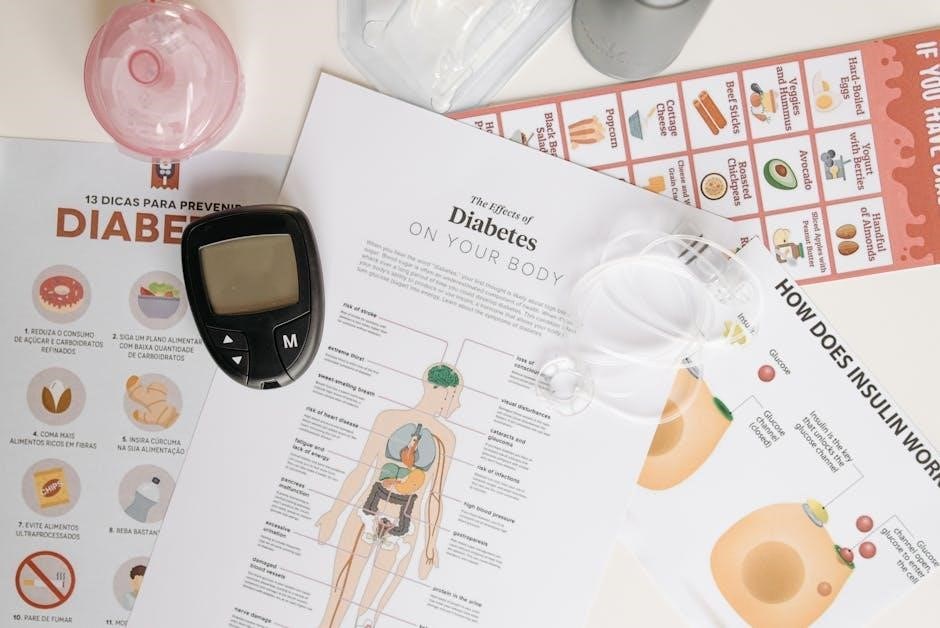
Your journey to optimized health with the O Positive Blood Type Diet is made effortless with our comprehensive PDF resources. These downloadable guides provide meticulously crafted personalized meal plans and detailed food lists, reflecting Dr. Peter D’Adamo’s recommendations. The food lists clearly categorize items as beneficial, neutral, or to avoid, ensuring you make informed choices. For Type O individuals, the plans emphasize a high-protein diet, rich in lean meats like beef, lamb, and venison, alongside an abundance of fresh vegetables and fruits. The PDF outlines specific poultry options, noting chicken as neutral while advising against pork and ham; Dairy and eggs are severely restricted, with only a few neutral options like soy cheese. You’ll find guidance on limiting grains, beans, and legumes, which are less compatible with the Type O digestive system. Furthermore, the PDF includes beneficial beverage choices such as green tea and water, while advising moderation for coffee and wine, and avoidance of soda and distilled liquor. These personalized documents are designed to boost energy, improve digestion, and support overall well-being, providing a clear, actionable roadmap for your daily nutrition. Download your personalized PDF guide today to embark on a healthier lifestyle tailored specifically for your O Positive blood type.

Scientific Evidence and Considerations for the Blood Type Diet
Dr. Peter D’Adamo’s Blood Type Diet posits that an individual’s blood type dictates optimal dietary choices, influencing digestion, metabolism, and overall health. This nutrition theory is popular for claims of improved energy and well-being, yet the scientific community holds varied perspectives on its underlying evidence. Many experts suggest any observed positive outcomes from following the diet often stem from adopting generally healthier eating habits, such as reducing processed foods and increasing fruit and vegetable intake, rather than specific blood type-food interactions. Although some recent research hints at the possibility that blood type may influence how our bodies respond to certain foods, comprehensive, peer-reviewed scientific studies definitively validating the specific dietary recommendations for each blood type remain largely insufficient to provide conclusive proof. Critics often highlight the lack of robust, independent clinical trials directly supporting the diet’s core tenets. Therefore, while individuals may report personal benefits, it’s crucial to approach the Blood Type Diet with an understanding of the current scientific landscape, which largely views it as a theory awaiting definitive scientific validation.