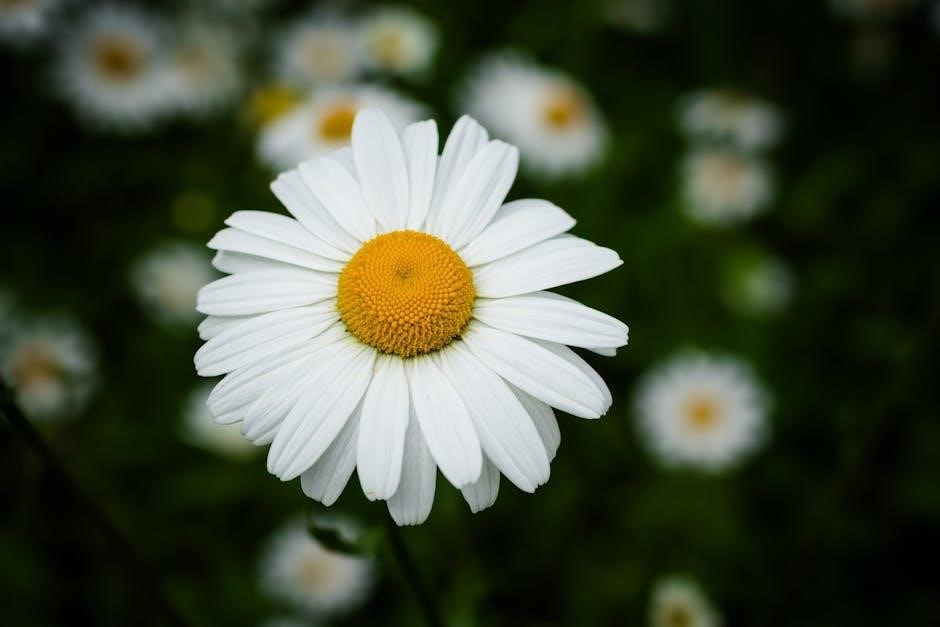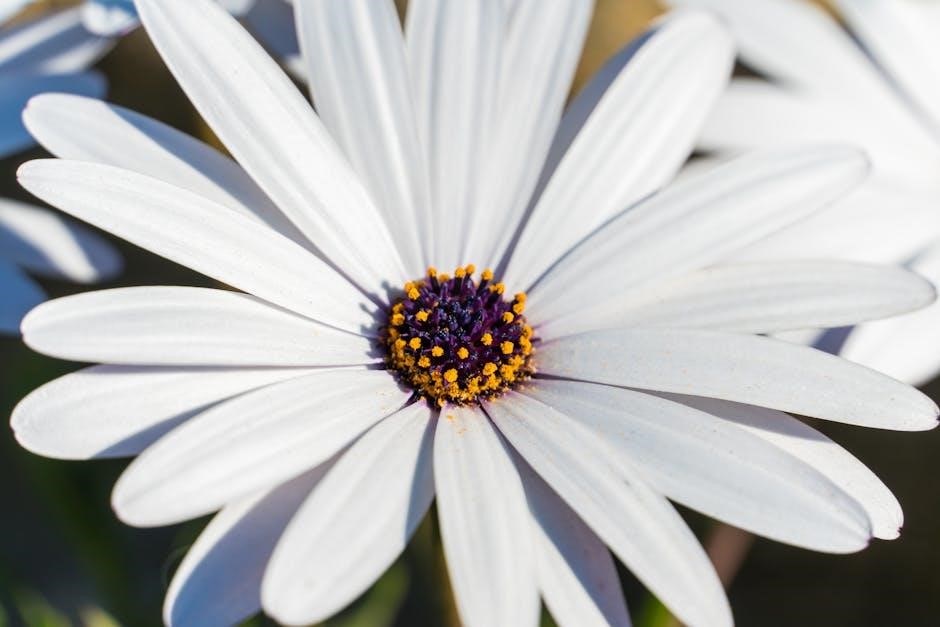
Daisy Petal Requirements: A Comprehensive Guide
Daisies flourish in neutral to slightly acidic soil (pH 6-8). Successful petal development relies on full to partial sun and consistent watering.
Seed germination requires light and temperatures around 70°F.
Understanding Daisy Varieties
Daisies‚ celebrated for their purity and beauty‚ exhibit a remarkable diversity beyond the common white-petaled variety. Understanding these distinctions is crucial for optimizing petal development. The English Daisy (Bellis perennis) is a classic‚ known for its lawn-like growth and charming blooms. However‚ numerous cultivars offer variations in petal shape‚ color‚ and size.
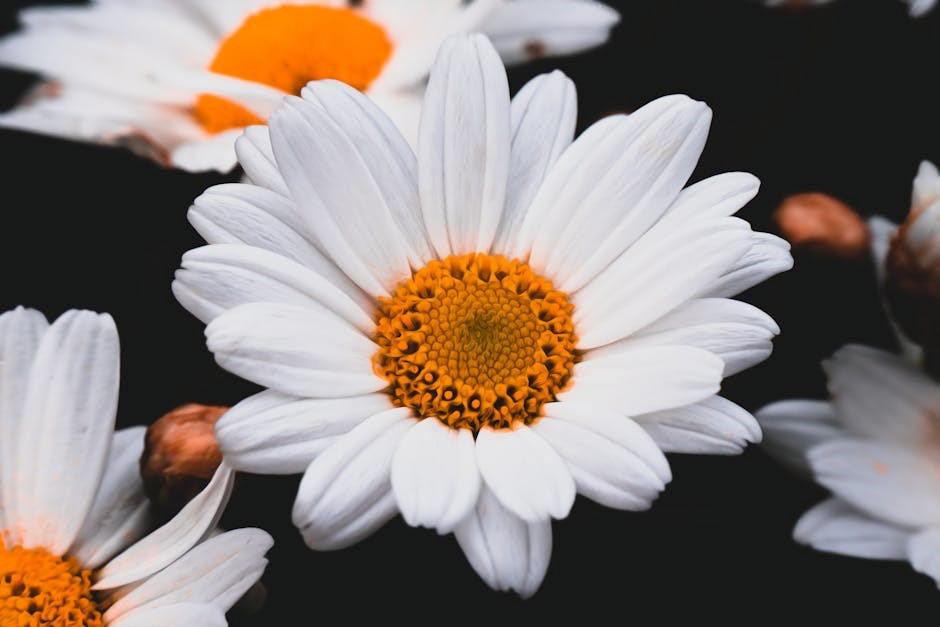
Shasta Daisies (Leucanthemum × superbum) are larger‚ with iconic white petals surrounding a bright yellow disc. Pomponette Daisies boast fully double blooms‚ resembling fluffy pom-poms. Painted Daisies (Tanacetum pictum) introduce vibrant hues like pink‚ lavender‚ and red‚ adding a splash of color to gardens.
The ‘Irony’ song‚ featuring the lyrics “Daisy‚ daisy‚ give me your answer true‚” highlights the flower’s cultural significance. Each variety possesses slightly different needs‚ but generally‚ they all thrive with adequate sunlight and well-drained soil. Recognizing your specific daisy type allows for tailored care‚ ensuring abundant and vibrant petal displays.
Soil pH and Composition for Optimal Growth
Daisies demonstrate a preference for soil conditions that are either neutral or slightly acidic‚ with the ideal pH range falling comfortably between 6.0 and 8.0. Maintaining this balance is paramount for optimal nutrient absorption‚ directly impacting petal quality and vibrancy. Soil testing is highly recommended to ascertain your garden’s current pH level.
Beyond pH‚ soil composition plays a vital role. Daisies thrive in well-drained soil‚ preventing root rot and promoting healthy growth. Amending heavy clay soils with sand significantly improves drainage. Incorporating manure compost enriches the soil with essential organic matter‚ providing a slow-release source of nutrients crucial for robust petal development.
This combination of sand and compost not only enhances drainage but also improves soil structure‚ creating a favorable environment for root establishment. Proper soil preparation‚ focusing on both pH and composition‚ lays the foundation for a spectacular display of daisy blooms.
Sunlight Exposure: Full Sun vs. Partial Shade
Daisies generally flourish in locations receiving full sun‚ meaning at least six hours of direct sunlight daily. This intense exposure fuels vigorous growth and abundant‚ brightly colored petal production. However‚ in regions with particularly harsh or scorching summers‚ some degree of partial shade can be beneficial.
Partial shade‚ typically defined as four to six hours of sunlight‚ particularly during the hottest part of the day‚ can prevent petal scorching and reduce water stress. Choosing a location that isn’t excessively hot is crucial. While daisies can tolerate partial shade‚ reduced sunlight may result in fewer blooms and less vibrant petal coloration.
Ultimately‚ the ideal sunlight exposure depends on your specific climate. Monitoring your daisies for signs of stress – such as wilting or faded petals – will help you determine whether adjusting their location or providing temporary shade is necessary for optimal health and bloom quality.
Watering Requirements for Daisy Petals
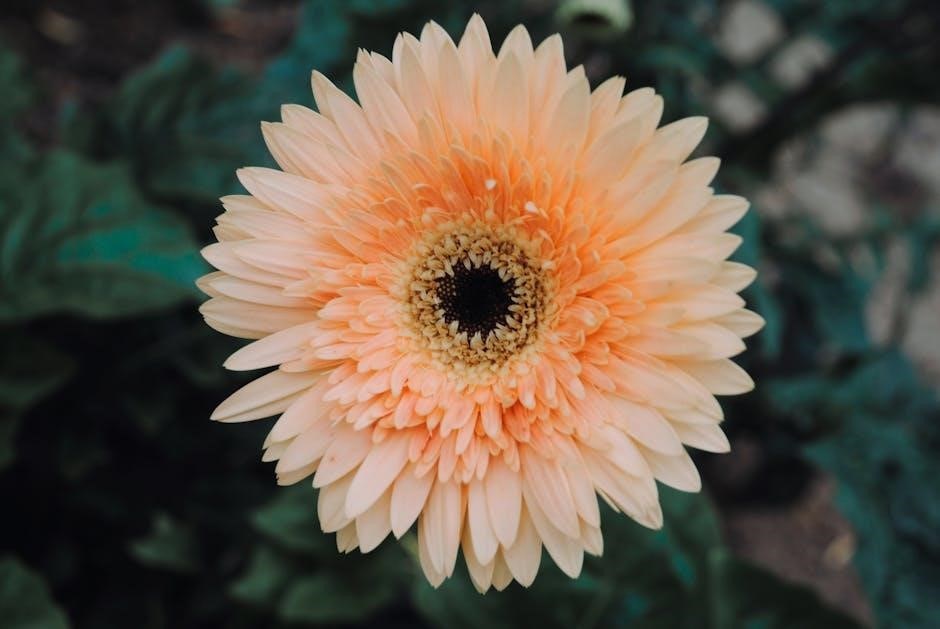
Daisies require consistent moisture to thrive‚ particularly for robust petal development. They are not particularly drought-tolerant‚ meaning they are susceptible to wilting and reduced bloom quality when soil becomes too dry. Regular watering is essential‚ especially during warmer months and periods of low rainfall.
The frequency of watering will depend on factors like soil type‚ climate‚ and the daisy variety. A general guideline is to water deeply whenever the top inch of soil feels dry to the touch. Avoid overhead watering‚ as this can promote fungal diseases on the petals and foliage. Instead‚ focus on watering at the base of the plant.
Proper drainage is also crucial. Daisies dislike soggy soil‚ which can lead to root rot. Ensure your planting location has well-draining soil‚ and avoid overwatering. Consistent‚ even moisture is the key to healthy growth and vibrant‚ long-lasting petals.
Fertilizer Needs for Healthy Petal Development
Daisies benefit from moderate fertilization to support vigorous growth and abundant‚ colorful petal production. While not heavy feeders‚ providing essential nutrients can significantly enhance their bloom quality and overall health. A balanced fertilizer‚ such as a 10-10-10 formula‚ is generally recommended.
Apply fertilizer in the spring as new growth emerges‚ and again lightly after the first flush of blooms. Avoid over-fertilizing‚ as this can lead to lush foliage at the expense of flowers. Incorporating compost or well-rotted manure into the soil before planting also provides a slow-release source of nutrients.
The role of nutrients is particularly important for petal color. Phosphorus promotes root development and flowering‚ while potassium enhances disease resistance and overall plant vigor. Consistent‚ balanced feeding will result in stronger stems‚ more numerous blooms‚ and vibrant‚ healthy petals.
Daisy Seed Germination: Light and Temperature
Successful daisy seed germination hinges on providing the correct environmental conditions‚ specifically regarding light and temperature. Unlike some seeds that require darkness to sprout‚ daisy seeds need light to initiate the germination process. Therefore‚ they should not be buried deeply when sowing.
The ideal temperature range for daisy seed germination is around 70°F (21°C). While germination can occur at slightly lower temperatures‚ it will be significantly slower and less reliable. Maintaining consistent moisture is also crucial during this phase‚ but avoid overwatering‚ which can lead to seed rot.
To maximize germination rates‚ start daisy seeds indoors 6-8 weeks before the last expected frost. Use a seed-starting mix and sow the seeds on the surface‚ gently pressing them into the soil. Provide ample light‚ either from a sunny window or grow lights‚ and maintain consistent moisture until seedlings emerge.
Sowing Daisy Seeds: Timing and Depth
The optimal timing for sowing daisy seeds directly into the garden is in the spring‚ once the soil has warmed to approximately 70°F (21°C). This ensures favorable conditions for germination and early growth. Starting seeds indoors 6-8 weeks before the last frost allows for an earlier bloom period.
Regarding depth‚ daisy seeds are very small and require minimal covering. Simply scatter the seeds on the surface of the prepared soil and gently press them in. Avoid burying them deeply‚ as they need light to germinate effectively. A light dusting of soil or vermiculite is sufficient.
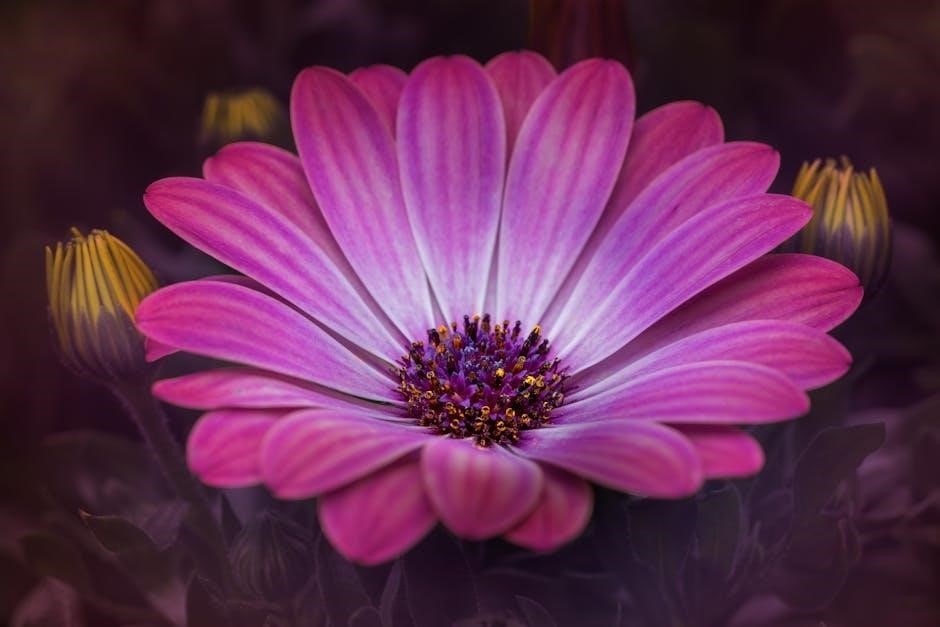
Space the seeds about ¼ inch apart‚ and rows approximately 6-8 inches apart. After sowing‚ gently water the area to settle the seeds and maintain consistent moisture. Germination typically occurs within 10-14 days‚ depending on temperature and light conditions. Thin seedlings to 2-3 inches apart once they have developed a few sets of true leaves.
Transplanting Daisy Seedlings
Transplanting daisy seedlings requires careful handling due to their delicate root systems. Once the seedlings have developed several sets of true leaves and are large enough to manage – typically around 2-3 inches tall – they are ready to be moved. Harden off the seedlings by gradually exposing them to outdoor conditions for a week before transplanting.
Choose a location with full sun to partial sun and well-drained soil. Dig holes slightly larger than the root ball of each seedling. Gently remove the seedlings from their containers‚ being careful not to disturb the roots excessively. Place the seedlings in the holes‚ ensuring the top of the root ball is level with the soil surface.
Backfill the holes with soil and gently firm around the base of the plants. Water thoroughly after transplanting to help settle the soil and reduce transplant shock. Space the plants 6-8 inches apart to allow for adequate air circulation and growth. Monitor the transplanted seedlings closely and provide supplemental water as needed.
Common Daisy Pests and Diseases
Daisies‚ while generally resilient‚ can be susceptible to certain pests and diseases. Common culprits include aphids‚ spider mites‚ and slugs‚ which can damage foliage and stunt growth. Aphids cluster on new growth‚ while spider mites create webbing and cause stippling on leaves. Slugs feed on leaves‚ creating irregular holes.
Diseases affecting daisies often stem from fungal pathogens. Powdery mildew manifests as a white‚ powdery coating on leaves‚ particularly in humid conditions. Root rot can occur in poorly drained soil‚ leading to wilting and plant death. Leaf spot presents as dark‚ circular spots on foliage.
Regularly inspect plants for signs of infestation or disease. Encourage good air circulation by spacing plants appropriately. Remove and destroy infected leaves promptly. Consider using organic pest control methods‚ such as insecticidal soap or neem oil‚ for minor infestations. Ensure proper soil drainage to prevent root rot.
Preventing and Treating Daisy Diseases
Preventing daisy diseases centers around creating optimal growing conditions. Ensure good air circulation by spacing plants adequately and pruning to remove congested growth. Avoid overhead watering‚ as wet foliage promotes fungal development; instead‚ water at the base of the plants. Proper soil drainage is crucial to prevent root rot – amend heavy clay soils with compost or sand.
For powdery mildew‚ remove infected leaves immediately and improve air circulation. Fungicidal sprays containing sulfur or copper can be effective‚ but follow label instructions carefully. Root rot is best prevented by well-draining soil; if detected‚ improve drainage and avoid overwatering.
Leaf spot can be managed by removing affected foliage and applying a fungicide if the infection is severe. Regularly cleaning up fallen leaves reduces the source of fungal spores. Employing disease-resistant daisy varieties can also minimize problems. Consistent monitoring and proactive measures are key to maintaining healthy daisies.
Daisy Petal Color Variations and Genetics
Daisy petal color exhibits fascinating variations‚ largely governed by genetics and environmental factors. While the classic daisy boasts white petals and a yellow center‚ cultivars now display shades of pink‚ red‚ and even bi-colors. These variations arise from mutations affecting pigment production‚ specifically anthocyanins and carotenoids.
Genetic inheritance dictates the potential for color expression. Hybridization‚ or cross-breeding‚ allows breeders to combine desirable traits‚ including petal color. However‚ the expression of these genes can be influenced by soil pH and nutrient availability. Acidic soils often intensify pink and red hues‚ while alkaline soils may suppress them.
Nutrient deficiencies‚ particularly a lack of phosphorus‚ can also impact petal color‚ leading to paler shades. The intensity of sunlight also plays a role; full sun generally promotes richer color development. Understanding these genetic and environmental interactions is crucial for cultivating daisies with vibrant and consistent petal coloration.
The Role of Nutrients in Petal Color

Nutrient availability profoundly impacts the vibrancy and intensity of daisy petal color. Phosphorus is particularly critical‚ playing a key role in energy transfer and pigment development within the petals. A deficiency often manifests as paler‚ less saturated colors‚ diminishing the flower’s aesthetic appeal.
Nitrogen‚ while essential for overall plant growth‚ can sometimes lead to lush foliage at the expense of flower color. Maintaining a balanced nitrogen level is therefore crucial. Potassium strengthens plant tissues and enhances color stability‚ protecting petals from fading due to environmental stress.
Micronutrients‚ such as iron and magnesium‚ also contribute to chlorophyll production and overall plant health‚ indirectly influencing petal color. Soil pH affects nutrient uptake; slightly acidic conditions (pH 6-8) optimize the availability of most essential nutrients. Regular soil testing and appropriate fertilization are vital for ensuring daisies receive the nutrients needed for brilliant petal coloration.
Impact of Climate on Daisy Petal Quality
Climate significantly influences daisy petal quality‚ impacting factors like size‚ color intensity‚ and longevity. Temperature plays a crucial role; moderate temperatures promote optimal growth and vibrant petal development. Excessive heat can cause petals to wilt and fade‚ while frost can damage delicate tissues.
Sunlight exposure‚ intertwined with climate‚ affects petal color; While daisies thrive in full to partial sun‚ intense‚ prolonged exposure can sometimes bleach petals‚ reducing their vibrancy. Humidity levels also matter; high humidity can encourage fungal diseases that compromise petal health.
Rainfall patterns influence nutrient availability and soil moisture. Consistent‚ moderate rainfall supports healthy growth‚ but excessive rain can lead to nutrient leaching and root rot. Wind can physically damage petals‚ causing tearing or breakage. Selecting daisy varieties suited to the local climate and providing appropriate protection during harsh weather conditions are essential for maintaining petal quality.
Daisy Propagation Methods
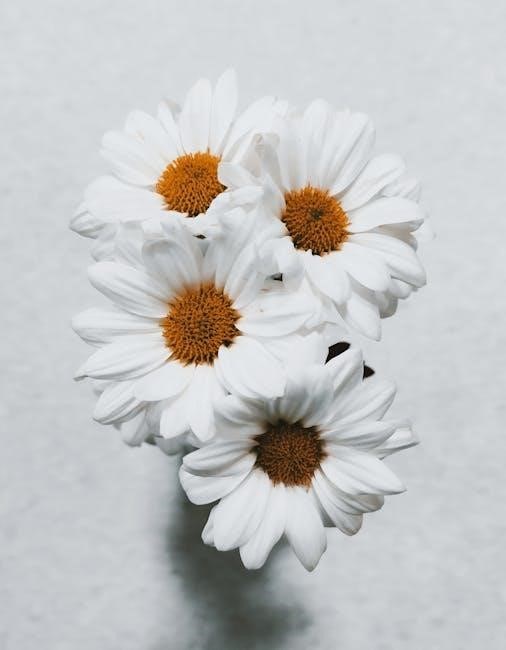
Daisy propagation primarily occurs through seed sowing‚ a cost-effective and widely used method. Seeds require light for germination‚ so surface sowing or very shallow planting is crucial. Spring sowing‚ when soil temperatures reach 70°F‚ yields the best results. Maintaining consistent moisture is vital during germination.
Division is another effective technique‚ particularly for established clumps. Carefully lift the plant and separate the root ball into smaller sections‚ ensuring each section has healthy roots and foliage. Replant these divisions immediately in prepared soil.
While less common‚ cuttings can also propagate daisies. Stem cuttings taken in spring or early summer root readily in moist potting mix. Rooting hormone can enhance success rates. Layering‚ bending a stem to the ground and covering a portion with soil‚ is a gentle propagation method. Choosing the appropriate method depends on the daisy variety and desired propagation speed.
Daisy Care During Different Seasons
Spring demands consistent moisture as daisies awaken from dormancy. Regular watering supports lush petal development‚ alongside monitoring for pests. Summer requires diligent deadheading to encourage continuous blooming and prevent self-seeding. Protect from intense afternoon sun in hotter climates.
Autumn is the ideal time for dividing established clumps‚ ensuring vigorous growth the following spring. Remove spent foliage to minimize disease risk. Winter care focuses on protecting plants from harsh frosts‚ especially in colder regions. A layer of mulch provides insulation.
Throughout the year‚ maintaining well-drained soil is paramount. Adjust watering frequency based on rainfall and temperature. Fertilize lightly in spring to promote healthy growth and vibrant petals. Consistent care tailored to each season ensures a prolonged display of beautiful daisy blooms.
Preparing Soil with Sand and Manure Compost
Daisies thrive in well-drained soil‚ making a blend of sand and manure compost crucial for optimal growth. Sand improves drainage‚ preventing root rot‚ while manure compost enriches the soil with essential nutrients for vibrant petal development.
Begin by loosening the soil to a depth of at least 12 inches; Incorporate equal parts sand and well-rotted manure compost‚ ensuring thorough mixing. This combination creates a light‚ airy texture that promotes healthy root growth and facilitates water penetration.
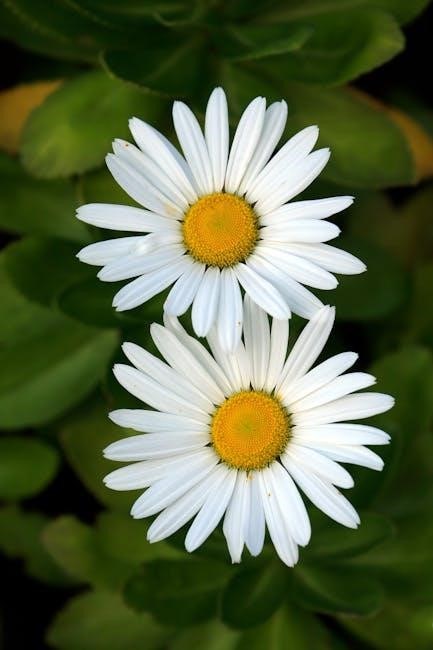
The manure compost provides nitrogen‚ phosphorus‚ and potassium – vital for strong stems and colorful petals. Aim for a soil pH between 6 and 8. Regularly test the soil and amend as needed. This preparation ensures a fertile foundation for flourishing daisies‚ resulting in abundant blooms and a visually stunning display.
Daisy as a Symbolism: Purity and Beauty
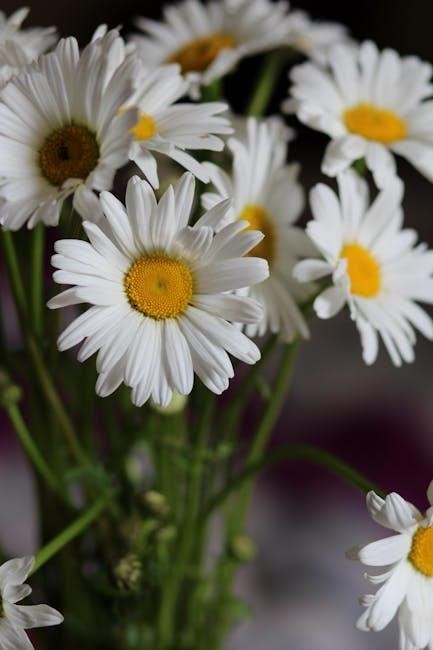
Throughout history and across cultures‚ the daisy has consistently represented purity‚ innocence‚ and beauty. Its name‚ derived from “day’s eye‚” suggests the flower opens with the sun‚ symbolizing new beginnings and faithfulness. This symbolism extends to literature and art‚ often portraying daisies as emblems of youthful charm and gentle affection.
The daisy’s simple‚ radiant form contributes to its association with purity. Each delicate petal embodies a sense of unspoiled grace. In Victorian times‚ the flower was used in “love divination” games‚ where petals were plucked to reveal romantic fortunes.
Beyond romance‚ the daisy signifies hope and cheerfulness. Its bright appearance evokes feelings of joy and optimism. The flower’s enduring symbolism continues to resonate today‚ making it a popular choice for celebrations and expressions of heartfelt sentiment‚ embodying both natural beauty and profound meaning.
Daisy in Literature and Culture
The daisy frequently appears in literature as a symbol of innocence and youthful love. Perhaps most famously‚ F. Scott Fitzgerald’s The Great Gatsby utilizes “Daisy” as a character name‚ embodying a seemingly pure and beautiful‚ yet ultimately elusive‚ ideal. This association has cemented the flower’s place in the cultural imagination.
Historically‚ daisies have been woven into folklore and poetry. Their simple beauty has inspired countless artists and writers‚ often representing themes of nature‚ renewal‚ and the fleeting nature of time. The flower’s presence often signifies a return to simpler‚ more idyllic times.
Culturally‚ the daisy is often linked to childhood and springtime. It’s a common motif in children’s art and stories‚ reinforcing its connection to innocence and joy. From traditional folk songs to contemporary art‚ the daisy continues to inspire creative expression‚ reflecting its enduring appeal and symbolic weight.
Events and Locations Related to Daisies (e.g.‚ Livingstone)
Livingstone‚ Zambia‚ while not directly known for daisy-specific events‚ offers a stunning natural backdrop where these flowers could flourish with appropriate cultivation. The region’s climate presents both opportunities and challenges for daisy growth‚ requiring careful consideration of soil pH (6-8) and sunlight exposure.
Local events in Lusaka‚ Zambia‚ frequently showcase agricultural potential‚ though specific daisy-focused festivals are currently undocumented. The Livingstone Golf Club hosts investment showcases‚ potentially offering avenues for agricultural ventures‚ including daisy cultivation for ornamental purposes.
Opportunities exist to introduce daisy farming as part of Zambia’s growing agricultural sector. Events promoting sustainable economic growth could incorporate displays of locally grown flowers‚ attracting tourism and investment; Further research into optimal watering requirements and fertilizer needs within the Zambian climate is crucial for success.
Local Events in Lusaka‚ Zambia
Lusaka boasts a vibrant calendar of events‚ spanning comedy‚ art‚ food‚ and festivals‚ though dedicated daisy-themed celebrations are currently absent. These events‚ however‚ present opportunities to showcase the potential of locally grown flowers‚ including daisies‚ if cultivation were to expand.
Agricultural showcases within Lusaka’s event scene could highlight optimal growing conditions for daisies – emphasizing the need for neutral to slightly acidic soil (pH 6-8) and appropriate sunlight exposure. Demonstrations on seed germination techniques and watering requirements would be beneficial.
Eventsize facilitates local payment collection for Zambian events‚ potentially streamlining logistics for any future daisy-related workshops or displays. Investment forums‚ like those held in Livingstone‚ could attract funding for agricultural initiatives‚ including daisy farming. Promoting daisies as a symbol of purity and beauty could enhance their appeal within the local culture.
Investment Opportunities in Zambia (Related to Agriculture)
Zambia’s agricultural sector presents promising investment avenues‚ and while currently underexplored‚ daisy cultivation holds potential. Investment could focus on establishing commercial daisy farms‚ capitalizing on the demand for ornamental flowers both domestically and for export.
Successful ventures require understanding key daisy petal requirements: preparing soil with sand and manure compost to achieve a pH between 6-8‚ ensuring adequate sunlight‚ and implementing efficient watering systems. Investment in research and development could optimize seed germination rates and improve petal quality.
Events like those at the Livingstone Golf Club serve as platforms to showcase these opportunities and attract partnerships. Funding could support infrastructure development – irrigation‚ cold storage – and marketing initiatives. Focusing on varieties suited to Zambia’s climate will maximize yields and profitability. The symbolic association of daisies with purity and beauty could be leveraged for branding and marketing purposes‚ appealing to both local and international markets.