
Powertrain Warning Lights
In a Ford Focus, powertrain warning lights alert drivers to engine, transmission, or drivetrain issues. The check engine light indicates a fault in the emission or engine control system. The transmission warning light signals shifting problems or low fluid. Prompt inspection prevents costly damage.
Check Engine Light
Routine maintenance can help prevent CEL activation. inspect replace the oxygen sensor, keep the fuel filter clean, ensure the spark plugs ignition coils are in good condition. can reduce the likelihood sensor or catalytic converter issues. If the CEL remains on after a repair, a thorough re‑scan is recommended to confirm the fault has been resolved.Check it often daily.

Fluid Level Indicators
The Ford Focus dashboard displays oil, coolant, and brake fluid levels through dedicated icons. A low oil indicator warns of insufficient pressure, while a coolant icon alerts overheating risk. Brake fluid alerts ensure hydraulic safety. daily checks maintain performance
Oil Pressure Warning
The oil pressure warning light on a Ford Focus signals a critical drop in engine oil pressure, which can lead to severe engine damage if ignored. This symbol typically appears as a stylized oil can with a red exclamation mark. When illuminated, it indicates that the pressure sensor has detected pressure below the safe threshold, often due to low oil level, a clogged filter, or a malfunctioning pump. Drivers should immediately pull over, turn off the engine, and check the oil level using the dipstick. If the oil is low, add the recommended oil type and recheck. If the level is normal, inspect for leaks, check the oil filter, and verify the pressure sensor connections. Persistent illumination may require a professional diagnostic scan to assess the pump and pressure sensor. Ignoring the light can cause bearing wear, piston damage, or complete engine failure. Regular maintenance, timely oil changes, and using the correct viscosity are essential to prevent this warning from triggering.
Additionally, the dashboard may display an oil pressure gauge that drops below the normal range, often accompanied by a warning light. Monitoring the gauge while driving can help detect gradual pressure loss. If the light stays on after refilling, it may signal a faulty sensor or a failing oil pump, requiring a mechanic’s inspection.
Remember, the oil pressure warning is not a one-time alert; repeated activations can indicate a developing issue. Keep a log of each occurrence, noting mileage and driving conditions, to provide useful data for technicians.

Temperature Gauges
The Focus dashboard displays engine temperature with a red circle and a thermometer icon. When the gauge approaches the red zone, it signals overheating. Check coolant level, radiator, and hoses. Prompt action prevents head gasket damage. the light remains on, seek service!
Engine Temperature Warning
When the Ford Focus dashboard shows the engine temperature warning, a red circle with a thermometer icon lights up, indicating the coolant temperature has risen above the safe operating range. This alert typically appears when the engine reaches 190°F to 210°F (88°C to 99°C). If the light stays on, the driver should pull over safely, turn off the engine, and allow it to cool. Checking the coolant level in the reservoir and inspecting for leaks or a clogged radiator is essential. A malfunctioning thermostat or a failing water pump can also trigger this warning. If the coolant level is low, top it up with the recommended mixture of antifreeze and water. If the warning persists after refilling, a mechanic should inspect the cooling system, including hoses, radiator, and the thermostat. In some models, the warning may also activate if the engine’s oil temperature rises, which can be checked by observing the oil temperature gauge. Regular maintenance, such as coolant flushes every 30,000 miles, helps prevent overheating. Ignoring the warning can cause a blown head gasket, warped cylinder heads, or even engine seizure. Therefore, prompt action is crucial to preserve engine longevity and avoid costly repairs. If the warning remains illuminated after the engine has cooled, it may indicate a sensor malfunction or a deeper cooling system issue, and a diagnostic scan is recommended. Always keep the coolant at the manufacturer’s recommended level and avoid corrosion. Check the fan operation and ensure coolant levelpromptly.
Tire Pressure Monitoring System (TPMS)
The Ford Focus TPMS light appears as a tire icon with an exclamation mark. It signals that one or more tires are below the recommended pressure. Check each tire, inflate to the specified psi, and reset the system via the menu or by driving for a few minutes.
Low Tire Pressure Light
The Low Tire Pressure Light in a Ford Focus is a critical indicator that one or more tires are below the recommended psi level. When this icon illuminates, it typically appears as a tire silhouette with an exclamation point inside. The system monitors each wheel’s pressure via sensors and triggers the light if pressure drops 5 psi or more below the manufacturer’s specification. Ignoring this warning can lead to uneven wear, reduced fuel economy, and even tire failure.
To address the alert, first locate the tire that is low. Use a reliable pressure gauge to read each tire’s psi. Inflate each tire to the psi indicated on the driver’s side door jamb or in the owner’s manual. After all tires are properly inflated, reset the TPMS by turning the ignition to the ON position for at least 10 seconds, or by following the reset procedure in the vehicle’s settings menu.
If the light remains on after a proper reset, check for sensor malfunction. Sensors can fail due to age, damage, or extreme temperature changes. In such cases, consult a certified Ford technician to replace the faulty sensor. Regularly inspecting tire pressure, especially before long trips, helps maintain optimal vehicle performance and safety.
Routine maintenance includes checking tire tread depth, inspecting for cuts, and ensuring wheel alignment. A misaligned wheel can cause rapid pressure loss. Use a calibrated gauge and check at the same time of day for consistency. If the vehicle is equipped with a TPMS reset button, press it after inflation to clear the warning.
In some Focus models, the low tire pressure light may also indicate a sensor communication error. If the light flashes, it means the system cannot read sensor data. In such cases, a diagnostic scan is required. A dealership can retrieve error codes and replace the sensor or reprogram the module.

Safety and Driver Assistance Symbols
The Focus dashboard displays safety symbols such as airbags, seatbelt alerts, and lane‑keeping. A seated figure with a shield indicates airbags, a belt with a check mark signals seatbelt warnings, steering wheel shows lane‑keeping.lightsalert drivers quickly.!

Airbag Indicator
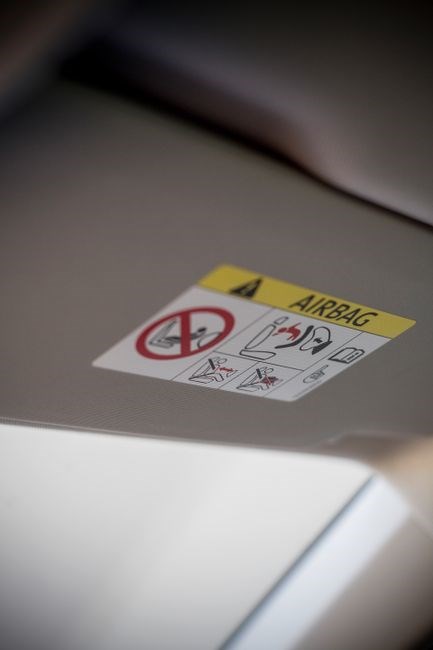
The Ford Focus dashboard displays an airbag indicator that lights up when the vehicle’s airbag system is ready and functioning. Upon ignition, a small icon resembling a seated figure with a shield will illuminate, confirming that all airbags are active. If the light remains on after a few seconds, it signals a fault that must be addressed immediately. A steady amber or blinking light indicates a malfunction such as a sensor failure, low battery voltage, or wiring issue. In these cases, the driver should have the vehicle inspected by a certified Ford technician to diagnose and repair the problem. The indicator will turn off after a successful system check, but if it reappears during driving, it warns that the airbag may not deploy in a collision. Regular checks of this indicator are part of routine maintenance and help ensure passenger safety. The dashboard may also display the text “AIRBAG” or “AIRBAG SYSTEM” beside the icon for clarity. Ignoring the indicator can compromise safety, so drivers should not delay repairs. Proper battery maintenance, sensor checks, and timely service keep the airbag system reliable and compliant with safety standards.

Infotainment and Connectivity Icons
The Ford Focus uses a Bluetooth icon to show paired devices, a Wi‑Fi symbol for hotspot status, and a smartphone logo when connected. A yellow warning light appears if the connection drops or the battery is low, prompting the driver to reconnect or charge .
Bluetooth Connection Icon
In the Ford Focus, the Bluetooth icon appears on the instrument cluster when the vehicle’s infotainment system is ready to pair or is actively connected to a mobile device. The icon is a stylized “B” with two interlocking arcs that light up in green when a connection is established. If the icon flashes amber or yellow, it indicates a problem with the pairing process or that the device is searching for a signal. When the icon is off, Bluetooth is disabled or the device has been disconnected. The icon’s brightness and color can also reflect battery status: a dimmed green suggests low battery on the phone, while a bright green indicates a healthy connection. Drivers can toggle Bluetooth on or off via the “Settings” menu or by pressing the dedicated button on the steering wheel. The system will prompt for confirmation if the user attempts to disconnect a device that is currently streaming audio. Proper use of the Bluetooth icon ensures seamless hands‑free calling, music streaming, and navigation updates without compromising safety. To troubleshoot a flashing icon, first check that the phone’s Bluetooth is enabled and that the Focus’s Bluetooth is turned on via the vehicle’s settings. If pairing fails, remove the device from the phone’s list and re‑pair by selecting the Focus from the available devices. The icon will blink slowly during the initial handshake and remain solid once the connection is stable. If the icon turns red, it indicates a severe error such as a lost connection or a firmware mismatch; in this case, restart the infotainment system or update the vehicle’s software through the dealer. The icon turns amber during low battery alerts now. The icon color shifts indicate status!!

Fuel and Battery Indicators
The Ford Focus displays fuel and battery status with clear icons. A low‑fuel light warns when the tank is below 10%. The battery icon shows charge level; a blinking symbol signals a charging issue. Keep the battery healthy and maintenance.!! and keep battery healthy.!!
Low Fuel Light
On a Ford Focus, the low‑fuel indicator is a small, illuminated icon that resembles a fuel pump with a downward arrow. When the fuel level drops below the threshold—typically around 10% of the tank’s capacity—the icon lights up and may flash to draw attention. The warning appears on the instrument cluster, sharing space with other fuel‑related symbols such as a full‑tank indicator. Drivers should not ignore this signal; continuing to drive with a critically low fuel level can lead to engine stalling or complete loss of power, especially on highway or uphill segments. The icon’s design is consistent across most Focus models from 2010 onward, though the exact shape may vary slightly between trims. In addition to the visual cue, the dashboard may emit a subtle chime or display a numeric readout of remaining gallons or kilometers, depending on the infotainment system’s configuration. If the light remains illuminated after refueling, it could indicate a malfunction in the fuel gauge sensor or a fault in the vehicle’s electronic control unit. In such cases, a diagnostic scan is recommended to identify the root cause. Maintaining a regular refueling schedule and monitoring the fuel gauge can prevent unexpected interruptions and keep the Focus running smoothly. For instance, a Focus holds 13.2 gallons; at 30 miles per gallon, low‑fuel light will activate 400 miles from tank’s full capacity, giving drivers ample time to refuel before the trip ends !

Maintenance and Service Reminder Lights
The Ford Focus uses a dedicated maintenance light that illuminates when routine service is due. It typically appears as a wrench icon, flashing to remind drivers to change oil, inspect brakes, or perform scheduled checks. Ignoring it can lead to costly repairs. Regular checks extend vehicle life and safety
Service Needed Indicator
The Service Needed indicator in a Ford Focus signals the vehicle’s maintenance schedule has been reached. This icon appears as a wrench or gear, often accompanied by a blinking light or flashing bar to draw immediate attention. When the light comes on, it indicates routine maintenance tasks—such as oil and filter changes, tire rotations, brake inspections, and fluid top‑ups—are due according to the manufacturer’s recommended intervals.
Unlike other warning lights that alert to immediate mechanical failures, the Service Needed indicator is a reminder. Ignoring it can lead to diminished performance, increased wear, and higher repair costs down the line. Ford’s onboard computer monitors mileage, engine hours, and driving conditions to trigger the light at the appropriate time. In some models, the light may also show if a scheduled service has been missed, prompting the owner to schedule an appointment.
To address the Service Needed indicator, drivers should consult the owner’s manual for the maintenance schedule and service intervalsnow. Many Focus owners use the Ford Mobile App or the vehicle’s infotainment system to receive alerts and schedule appointments directly. Keeping the vehicle’s maintenance log updated ensures the system accurately reflects completed services, preventing unnecessary reminders.